 Wood Farm
Writing
 Every child in Wood Farm is a writer. Children learn to write confidently and clearly for many different audiences and purposes. At Wood Farm, we believe that writing is a powerful way for children to communicate, create and make sense of the world around them.
Our aim is for every child to become a confident and skilled writer who can write for a range of purposes and audiences. We want children to develop a love of writing, take pride in their work and understand the impact their words can have. You'll see this infographic explaining our writing process below...
We believe children learn to write best when they are immersed in high-quality books, have meaningful reasons to write and are supported through a clear writing process. Writing is taught regularly across the curriculum and gives children opportunities to inform, persuade, entertain and discuss for a range of audiences and purposes. Our aim is for every child to leave Wood Farm able to communicate their ideas clearly and creatively, and to take pride in their writing.
Writing Starts with Talk
For us, great writing starts with great talk.
Before children write, they have opportunities to discuss ideas, rehearse sentences, tell stories and explore language together. Through speaking and listening, children develop vocabulary, organise their thinking and build the confidence needed to become successful writers.
High-Quality Books at the Heart of Learning
Every writing unit is built around a carefully chosen core book.
These high-quality texts provide rich vocabulary, inspire imagination and give children meaningful reasons to write. Our books are chosen for their literary quality, writing potential and ability to broaden children's knowledge and understanding of the world. They also reflect a diverse range of voices, experiences and perspectives.
One Book, Many Writing Opportunities
A single text can inspire many different pieces of writing.
Children may write within a text, around a text or beyond a text, producing outcomes such as stories, letters, diary entries, speeches, newspaper reports, explanations, persuasive writing and poetry. Through this approach, children learn how writing can be adapted for different purposes, audiences and contexts.
Our Writing Process
Children are taught through a clear writing process across the school. They begin by exploring the purpose and audience for their writing before immersing themselves in high-quality texts and model examples.
Teachers support children to plan, draft, revise, edit and publish their work, modelling the writing process and teaching the skills needed for success. Throughout this journey, children are encouraged to make choices, develop their own voice and take pride in their writing.
Building Strong Writers
Alongside writing lessons, children develop the key skills that support successful writing, including:
- Reading widely and often
- Vocabulary development
- Sentence construction
- Spelling
- Handwriting
- Grammar and punctuation
These foundations help children write with increasing accuracy, fluency and creativity.
Celebrating Writing
We believe writing should be shared and celebrated.
Children regularly publish their work, read it aloud, display it in classrooms and share it with others. We want every child to feel proud of their achievements and to recognise the power of their own voice as a writer.
Whether children are writing a story, a speech, a letter or a poem, our goal is the same: to help every child find their voice and use it with confidence.
What you'll see:
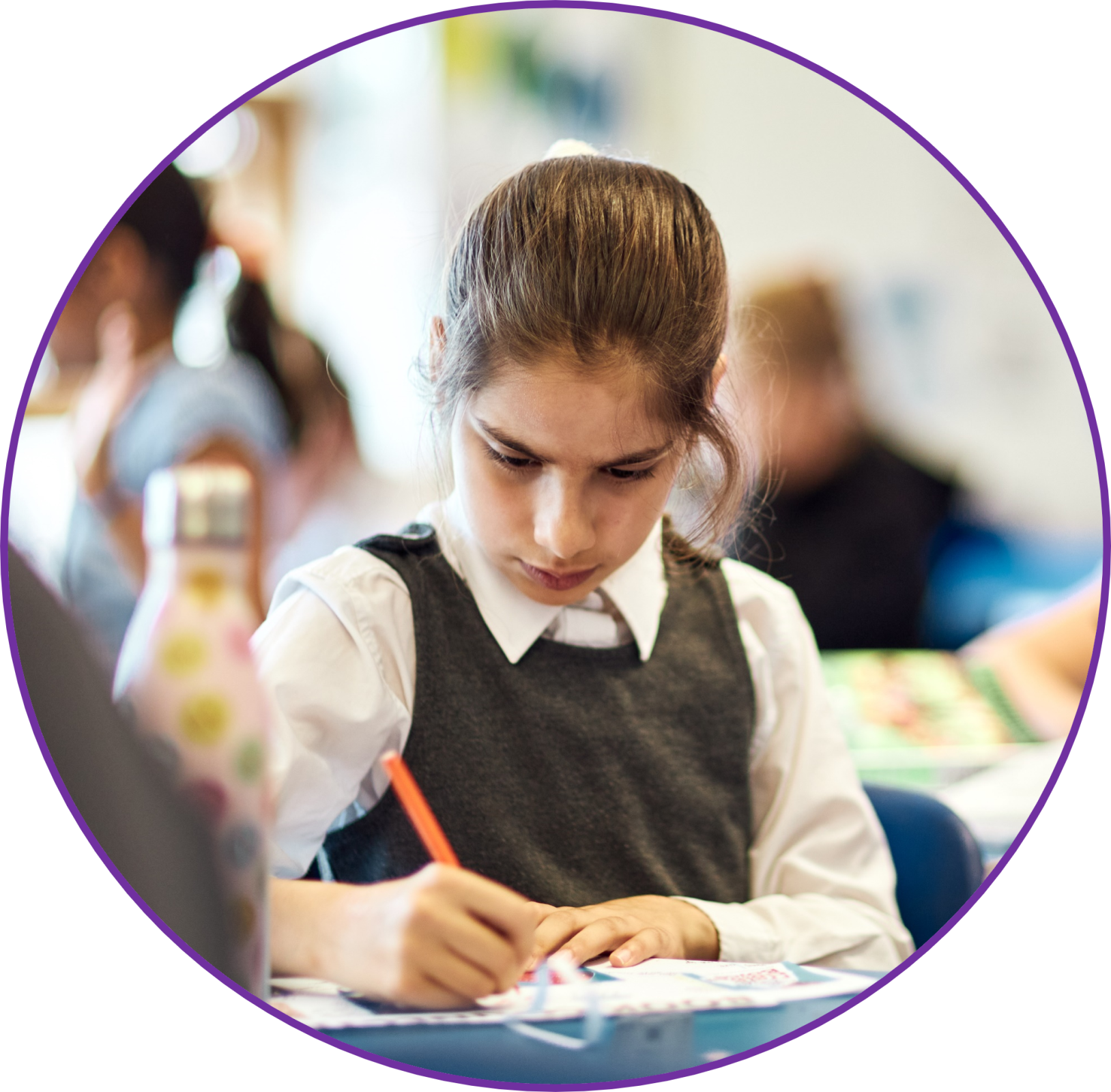
Children planning, writing and improving their work.
Teachers modelling expert writing.
Children experimenting with language and writing styles and making informed choices.
Children making choices as writers..
Writing inspired by learning across the curriculum.
Writing being shared and celebrated.
What you'll hear:
Rich discussion about writing talking.
Oral rehearsal and storytelling.
Children explaining and improving their work.
Constructive feedback from peers and teachers.

Further Information:


